
Ayako Rokkaku, Carole Feuerman, David Gerstein, Jean-François Larrieu, Kim In Ok, Kim Mine, Kim JongHyuk, Lee Yeoreum, JeJe
Fall in Art
Seoul · October 19 – November 11, 2026
Opening Reception · October 22, 2026, 5–7 PM
Fall in Art
Seoul · October 19 – November 11, 2026
Opening Reception · October 22, 2026, 5–7 PM
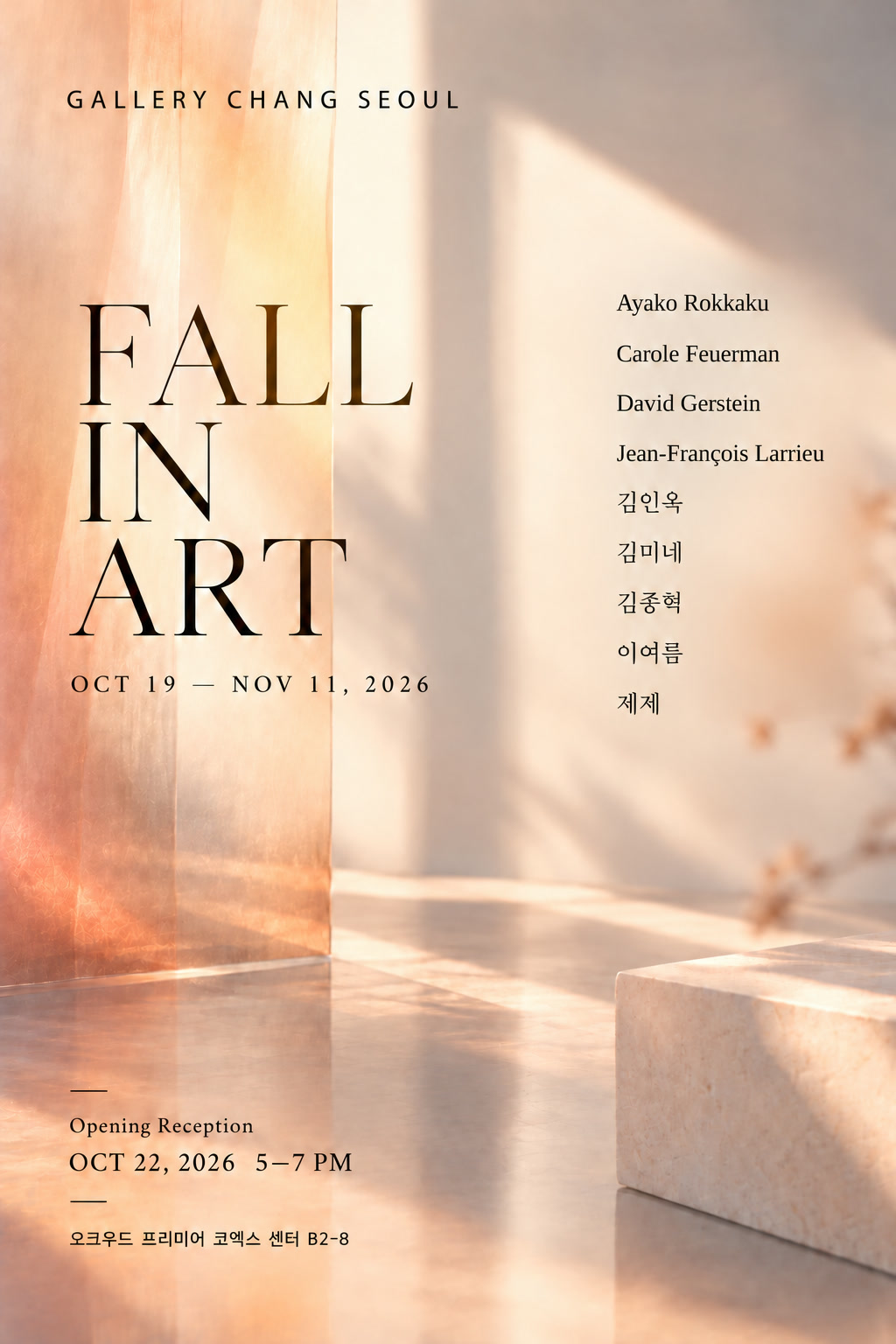
Exhibition poster, Gallery Chang Seoul, 2026
Beauty rarely appears in a single form. It shifts with light, season, memory, and perspective. Fall in Art brings together nine artists whose distinct visual languages reveal different possibilities of beauty—quiet and bold, delicate and raw, familiar and unexpected.
Opening in the middle of autumn, the exhibition takes inspiration from a season defined by difference. Autumn is beautiful not because its colors become one, but because they remain distinct. Red, gold, brown, green, and fading light coexist without losing their individuality. In much the same way, the works in Fall in Art meet through contrast. Their gestures, colors, textures, and emotions may differ sharply, yet together they create a larger visual rhythm.
The exhibition embraces the point where individuality and harmony meet. Rather than seeking unity through similarity, it allows each work to maintain its own presence. Tension becomes part of the composition; contrast becomes a source of energy. What initially appears separate begins to resonate through proximity, scale, color, and atmosphere.
Fall in Art is ultimately a reflection on coexistence. Beauty is not presented here as a fixed standard, but as something that emerges between differences—through the unexpected relationships formed when distinct sensibilities share the same space. Like autumn itself, the exhibition finds harmony not in sameness, but in the richness of variation.
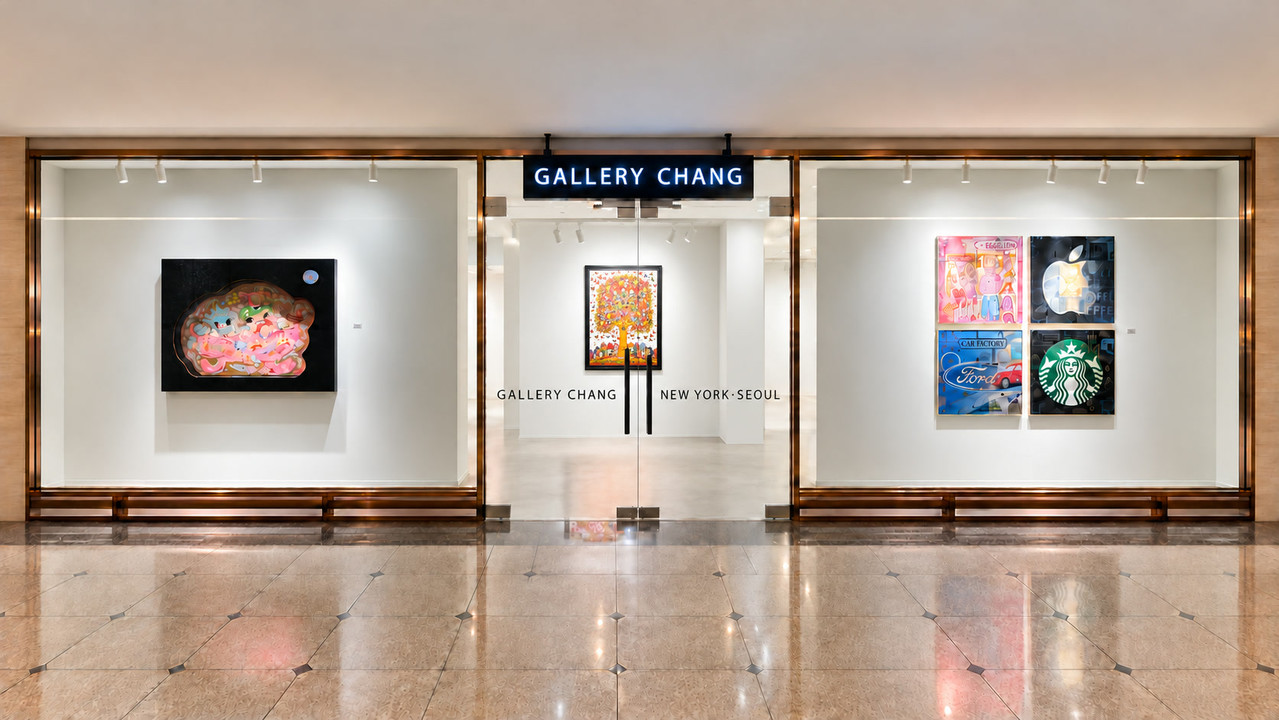
Installation view
Gallery Chang Seoul, 2026
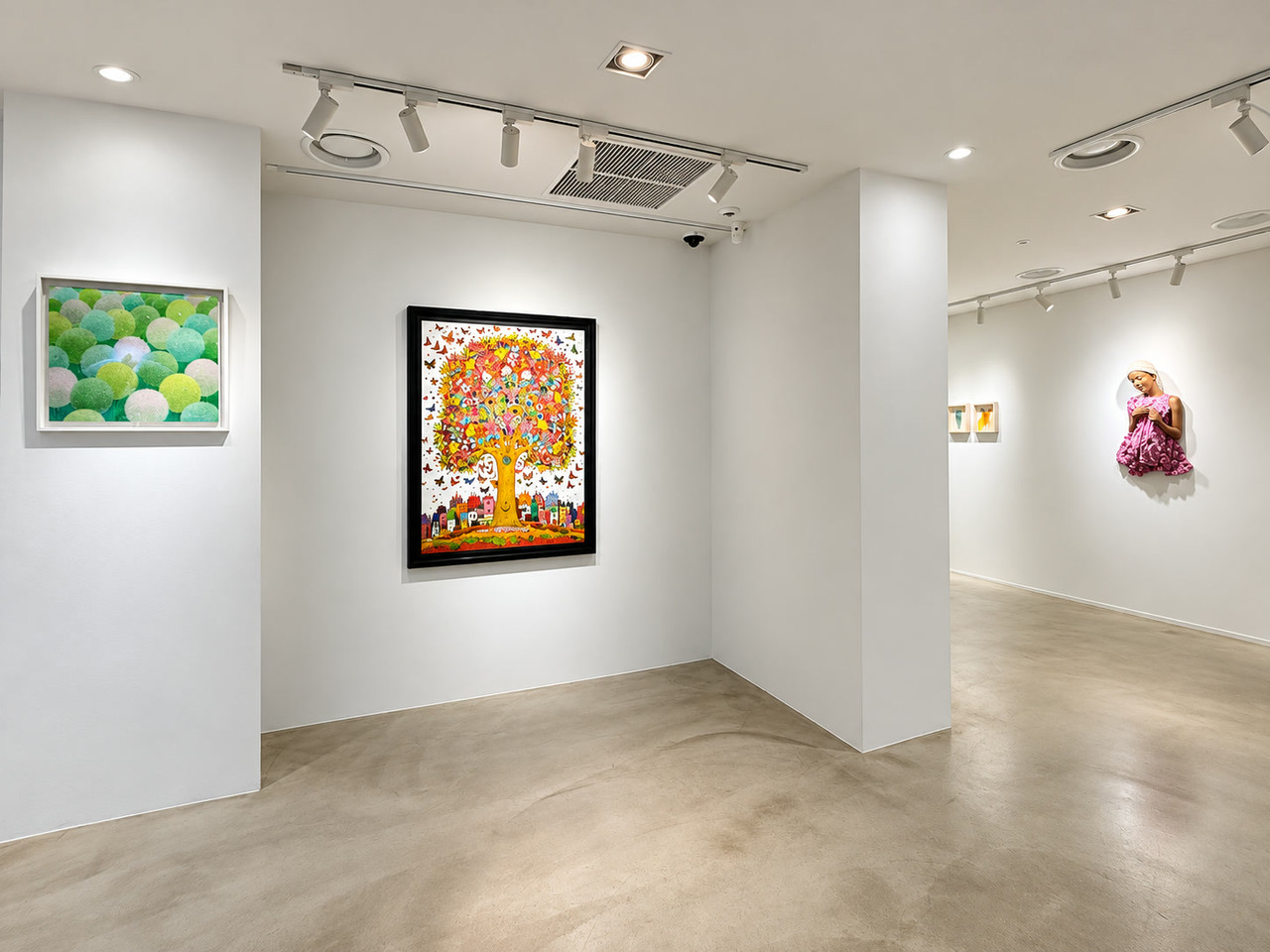
Installation view
Gallery Chang Seoul, 2026
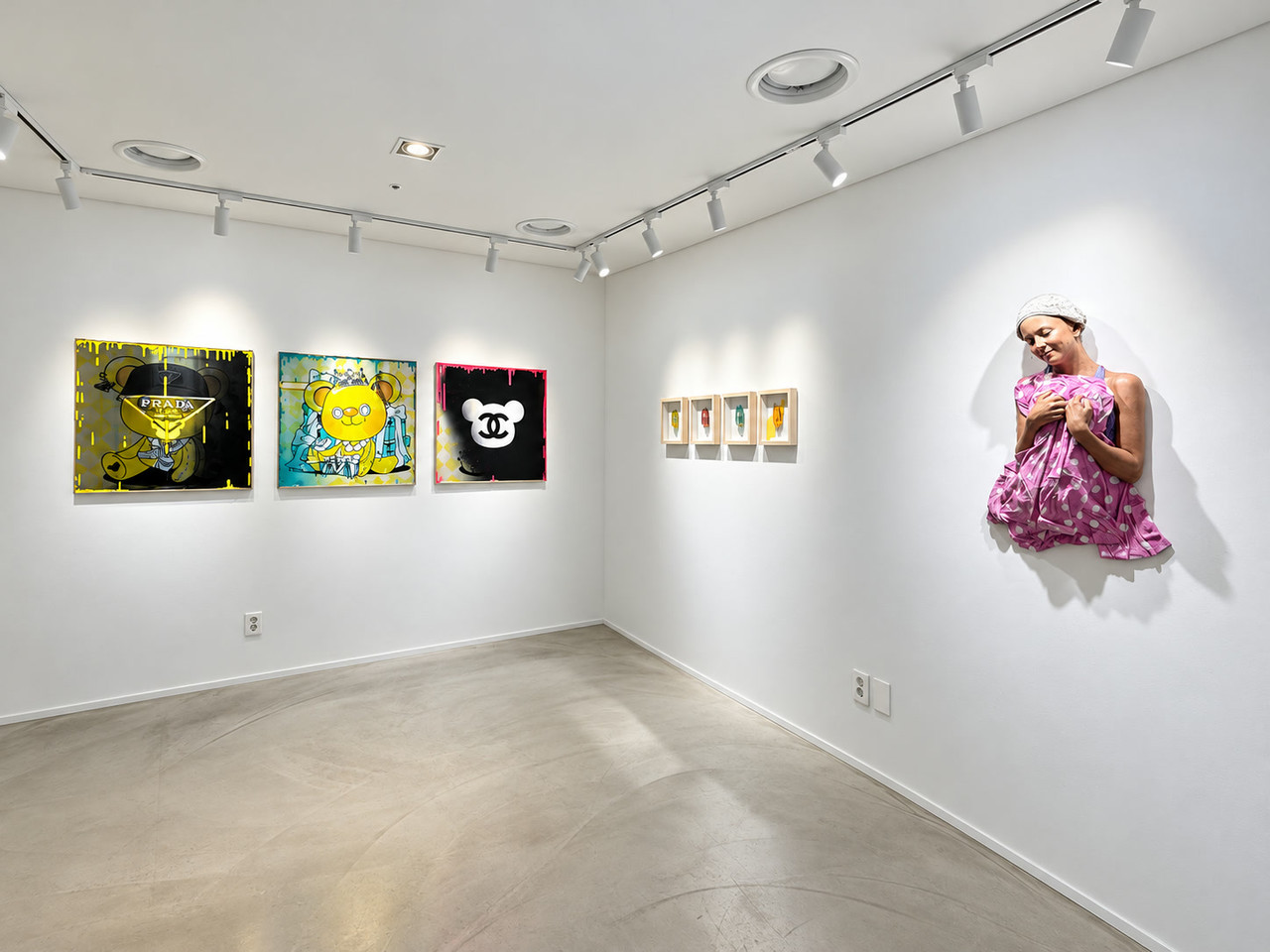
Installation view
Gallery Chang Seoul, 2026
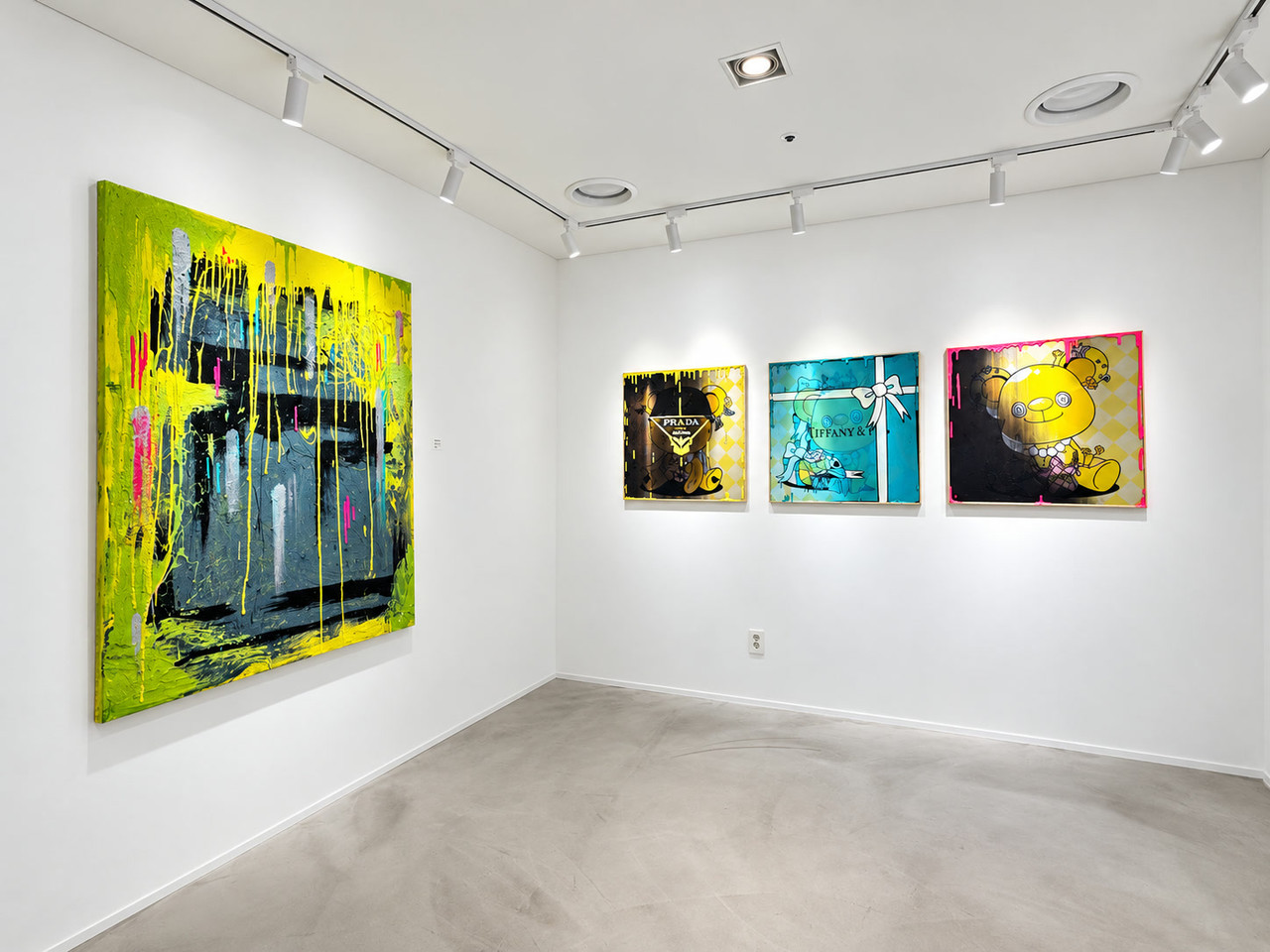
Installation view
Gallery Chang Seoul, 2026
Installation view
Gallery Chang Seoul, 2026
Installation view
Gallery Chang Seoul, 2026
Artist Name
Title of Work, 2026
Oil on canvas
100 × 80 cm
Artist Name
Title of Work, 2026
Oil on canvas
100 × 80 cm
Artist Name
Title of Work, 2026
Oil on canvas
100 × 80 cm
Kim In Ok
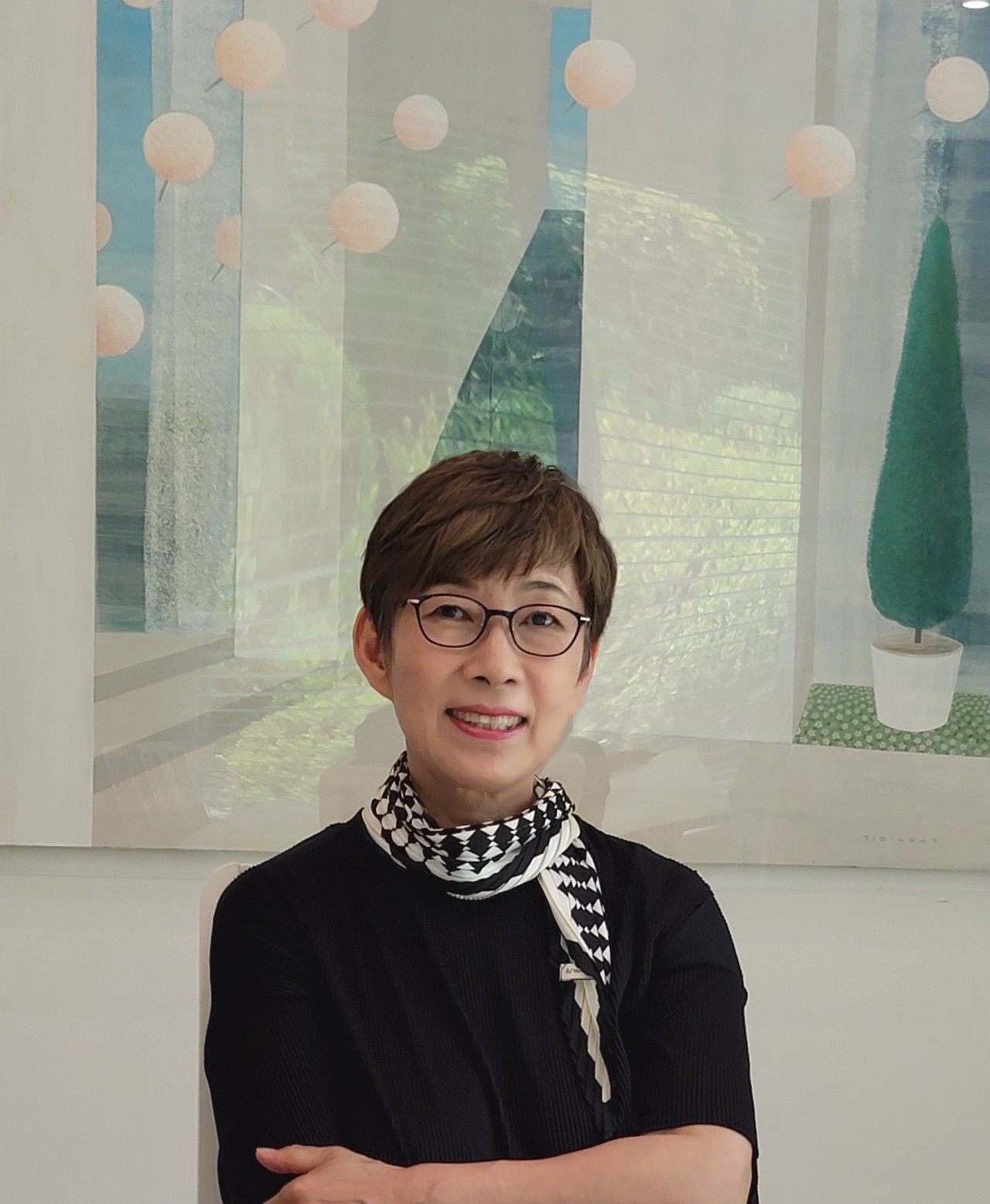
Portrait of Kim In Ok
Kim In Ok (b. 1955) is a Korean contemporary painter known for lyrical landscapes that move between reality, memory, and imagination. Trained in Oriental Painting at Hongik University, where she received both her BFA and MFA, Kim works within the tradition of Korean color painting while developing a distinctly personal visual language. Her paintings transform familiar rural landscapes, trees, houses, flowers, and pathways into serene, dreamlike environments shaped as much by emotional memory as by observed nature.
Using traditional Korean pigments such as bunchae and seokchae, Kim builds luminous surfaces distinguished by clear color, delicate texture, and carefully balanced compositions.
In major series such as Waiting and The Road to Hanggeum-ri, everyday scenes inspired by her journeys between Seoul and her studio in Yangpyeong become simplified and poetic worlds. Trees take on unexpected forms, scale shifts freely, and distinctions between day and night or reality and fantasy begin to disappear, allowing the landscape to function as an interior, psychological space.
Kim In Ok is significant for carrying the tradition of Korean color painting into a contemporary and deeply personal form of landscape. Rather than treating traditional technique as something to preserve unchanged, she uses it to explore nostalgia, waiting, memory, and the desire for emotional refuge. Her paintings bridge traditional Korean material sensibility with a modern language of imagination, transforming landscape into a place of contemplation, comfort, and quiet wonder.
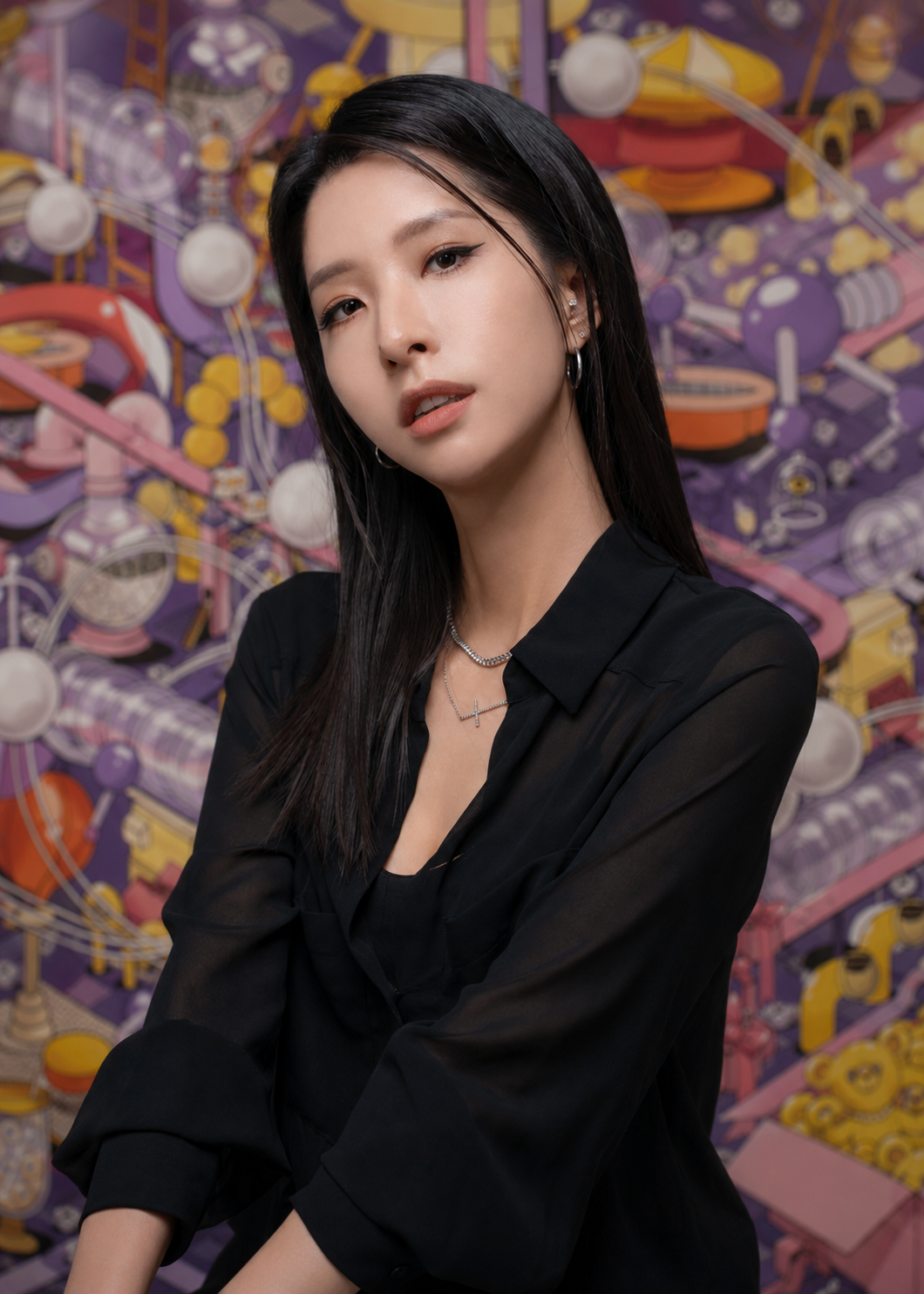
Portrait of Kim Mine
Kim Mine
Kim Mine (b. 1990) is a Korean contemporary artist best known for creating NOBODY, a yellow teddy-bear-like figure through which she explores identity, everyday life, and the shared emotional experiences of contemporary society. NOBODY has no fixed age, gender, nationality, profession, or social status. By removing these identifying characteristics, Kim creates an anonymous figure onto which viewers can project their own memories, emotions, and experiences—turning “nobody” into a figure that can potentially represent everybody.
Working across painting, sculpture, installation, and digital media, Kim constructs narratives from small and often overlooked moments of daily life. NOBODY appears in scenes of work, leisure, desire, loneliness, celebration, and ordinary routine, transforming familiar experiences into reflections on how contemporary individuals construct identity and meaning. Beneath the playful visual language lies a persistent questioning of human behavior, free will, aspiration, and the contradictions of wanting to be unique while simultaneously belonging to a larger collective.
Kim Mine is significant for using the accessible language of character-based art as a vehicle for broader philosophical questions about contemporary existence. Her central idea “the meaning of the meaningless”—elevates seemingly insignificant moments into narratives of memory, vulnerability, and connection. Through NOBODY, Kim transforms anonymity into universality: the character is neither a specific individual nor simply a fictional mascot, but an open vessel through which viewers can encounter fragments of themselves. In her world, NOBODY ultimately becomes EVERYBODY.
Portrait of Kim JongHyuk
Kim JongHyuk
Kim JongHyuk (aka Rokkan Kim, b. 1991) is a Korean contemporary artist working across painting, digital collage, media art, and installation. Drawing heavily from the social and visual culture of the 1960s and 1970s, Kim combines historical imagery, architecture, cinema, fashion, and personal memory to construct surreal environments in which past and present coexist. Rather than treating history as fixed, he approaches it as something continuously reconstructed through individual experience and contemporary perception.
A central concern in Kim’s practice is duality—beauty and fear, progress and destruction, isolation and aspiration. In his Space Oddity series, the heroic image of the astronaut is contrasted with solitude and the psychological vastness of space, while Sea the Wall examines the complex relationship between the ocean, architecture, and human intervention. More recent paintings extend these concerns through architectural structures, concrete, layered surfaces, and fields of color, allowing physical material and digital imagery to exist within the same visual language.
Kim JongHyuk is significant for transforming the visual archive of modern history into an open-ended contemporary narrative. His work does not present a single interpretation of an event or image; instead, it reveals how the same history can contain opposing meanings depending on who is looking at it. By moving fluidly between digital media, painting, architecture, and installation, Kim creates a practice in which cultural memory is continually dismantled and reconstructed—asking viewers to reconsider the boundaries between past and present, reality and fiction, nature and the built environment.