
Suzy Taekyung Kim, Heather Kim, Kimi Kim Wittling, Kim Mine, Kim JongHyuk
The Space Between: Part II
New York · October 15 – November 14, 2026
The Space Between: Part II
New York · October 15 – November 14, 2026
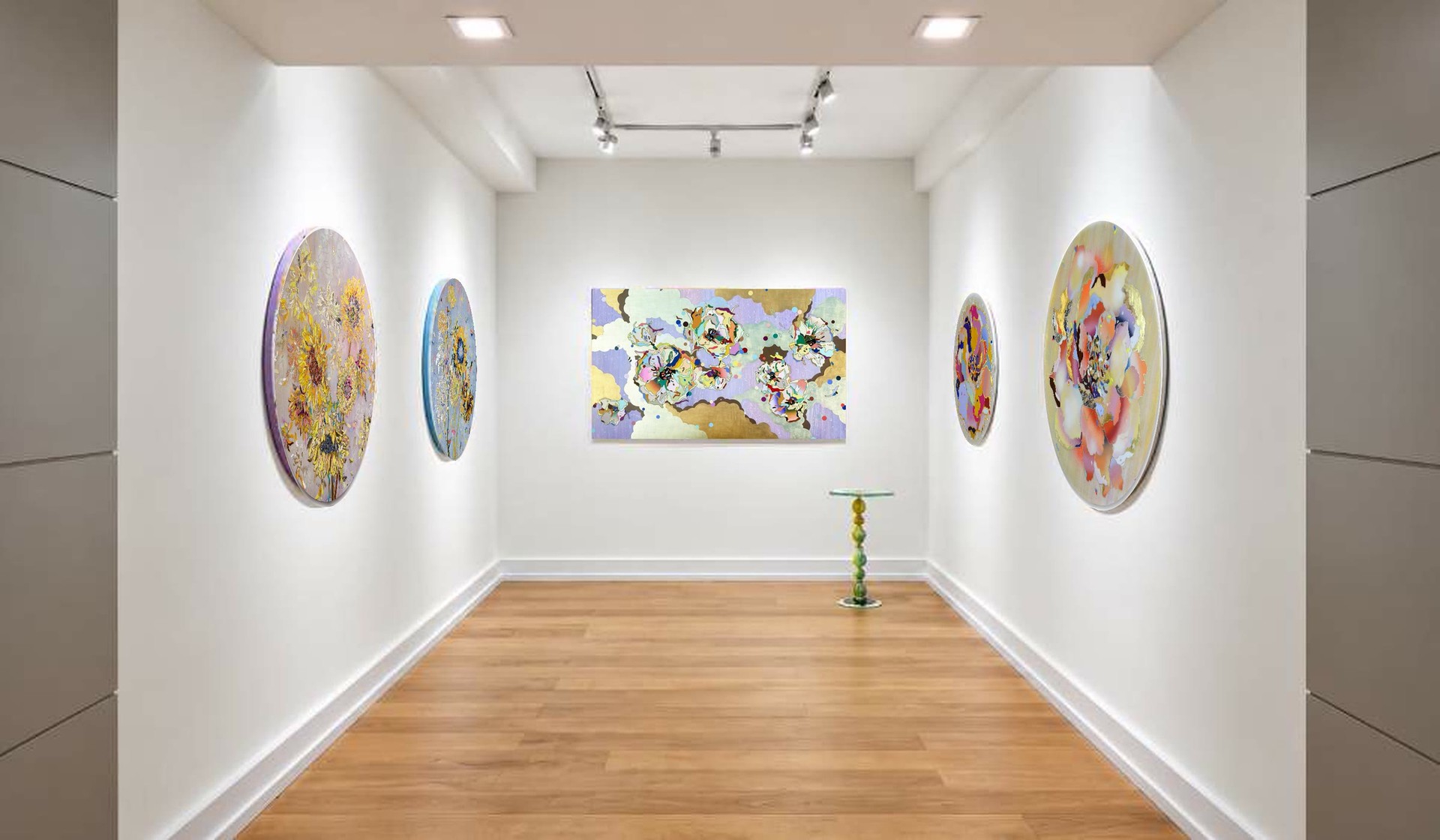
Installation view, Gallery Chang New York, 2026
Every artistic journey unfolds somewhere between what has been established and what remains to be discovered.
Following The Space Between, which brought together established artists whose distinctive visual languages have evolved through years of artistic practice, Gallery Chang presents The Space Between: Part II, shifting its focus toward emerging artists and the possibilities of artistic exploration.
While the first chapter reflected the depth and maturity of established artistic voices, Part II embraces a different kind of energy, one shaped by experimentation, curiosity, and the freedom to explore beyond familiar conventions.
Bringing together five artists with distinct perspectives and approaches, the exhibition does not seek a single aesthetic or common narrative. Instead, it celebrates the individuality of artistic expression and the diverse ways in which new ideas take form.
The title The Space Between takes on another meaning in this second chapter. Beyond the physical transition between gallery spaces, it becomes a metaphor for the creative territory between exploration and recognition, uncertainty and discovery, the familiar and the unexpected.
As Gallery Chang prepares for its next chapter in Chelsea, The Space Between: Part II offers a moment to encounter artistic voices still expanding their possibilities, reminding us that some of the most compelling developments in art emerge not from what is already defined, but from what remains open.
The space between is not an empty space. It is where possibilities begin.
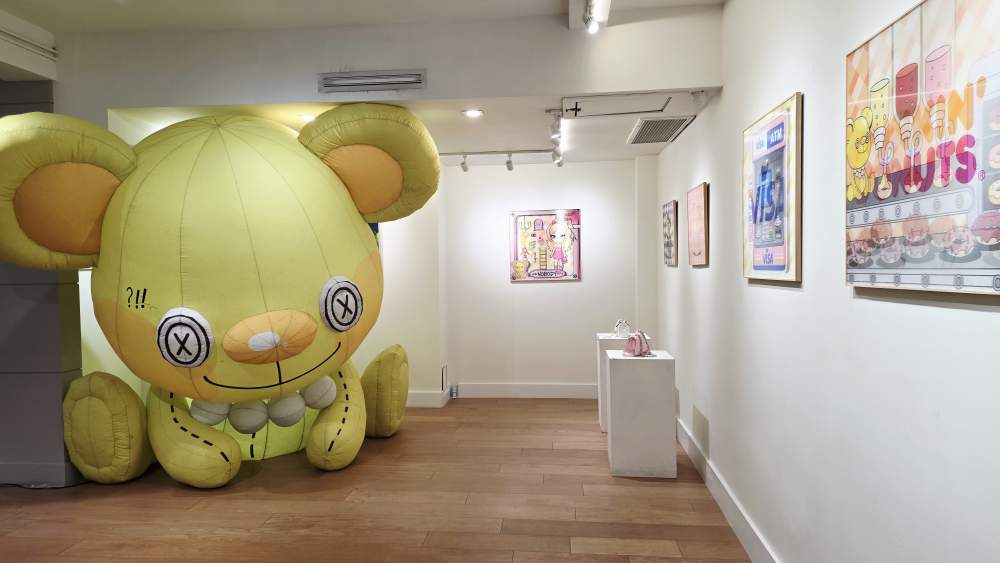
Installation view
Gallery Chang New York, 2026
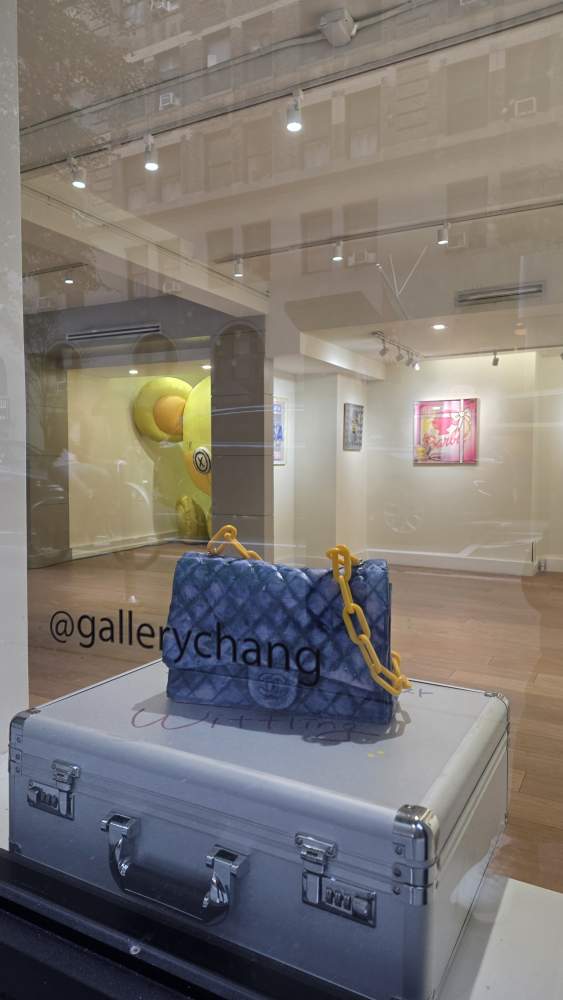
Installation view
Gallery Chang New York, 2026
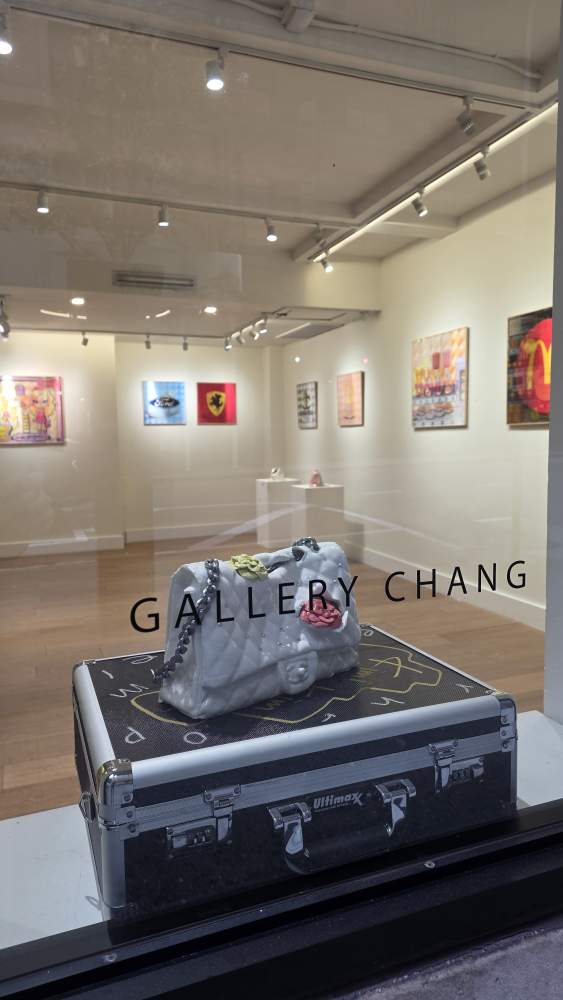
Installation view
Gallery Chang New York, 2026
Installation view
Gallery Chang New York, 2026
Installation view
Gallery Chang New York, 2026
Artist Name
Title of Work, 2026
Oil on canvas
100 × 80 cm
Artist Name
Title of Work, 2026
Oil on canvas
100 × 80 cm
Artist Name
Title of Work, 2026
Oil on canvas
100 × 80 cm
Artist Name
Title of Work, 2026
Oil on canvas
100 × 80 cm
Artist Name
Title of Work, 2026
Oil on canvas
100 × 80 cm
Artist Name
Title of Work, 2026
Oil on canvas
100 × 80 cm
Artist Name
Title of Work, 2026
Oil on canvas
100 × 80 cm
Artist Name
Title of Work, 2026
Oil on canvas
100 × 80 cm
Artist Name
Title of Work, 2026
Oil on canvas
100 × 80 cm
Suzy Taekyung Kim
Portrait of Suzy Taekyung Kim
Suzy Taekyung Kim, born in Daegu, South Korea, is a New York–based artist whose practice examines how perception, memory, and imagination shape our experience of the world. Kim received an M.A. in Art Education from the Steinhardt School of Education at New York University, a B.A. in Art Education from the University of British Columbia, and a BFA from Emily Carr University.
Working between painting and relief, Kim combines layered translucent color, reflective surfaces, dimensional forms, and fragments of recognizable imagery to create spaces that are at once pictorial and physical. Windows, thresholds, arcs, and openings recur as structural devices, suggesting points of entry into places that are partly observed and partly imagined. Kim’s recent works turn toward the body and the fleeting gestures of everyday life—blowing, reaching, floating, resting, chasing—with figures suspended in spaces where scale, depth, and gravity are deliberately unsettled.
Kim has created permanent public and corporate art installations for the New York City Department of Education and School Construction Authority, the Los Angeles County Department of Arts and Culture, and the Fred and Pamela Buffett Cancer Center in Omaha, among others. Kim received the AHL Foundation Archive Fellowship in 2018 and served as a panelist for the New York City Percent for Art Program from 2015 to 2022.
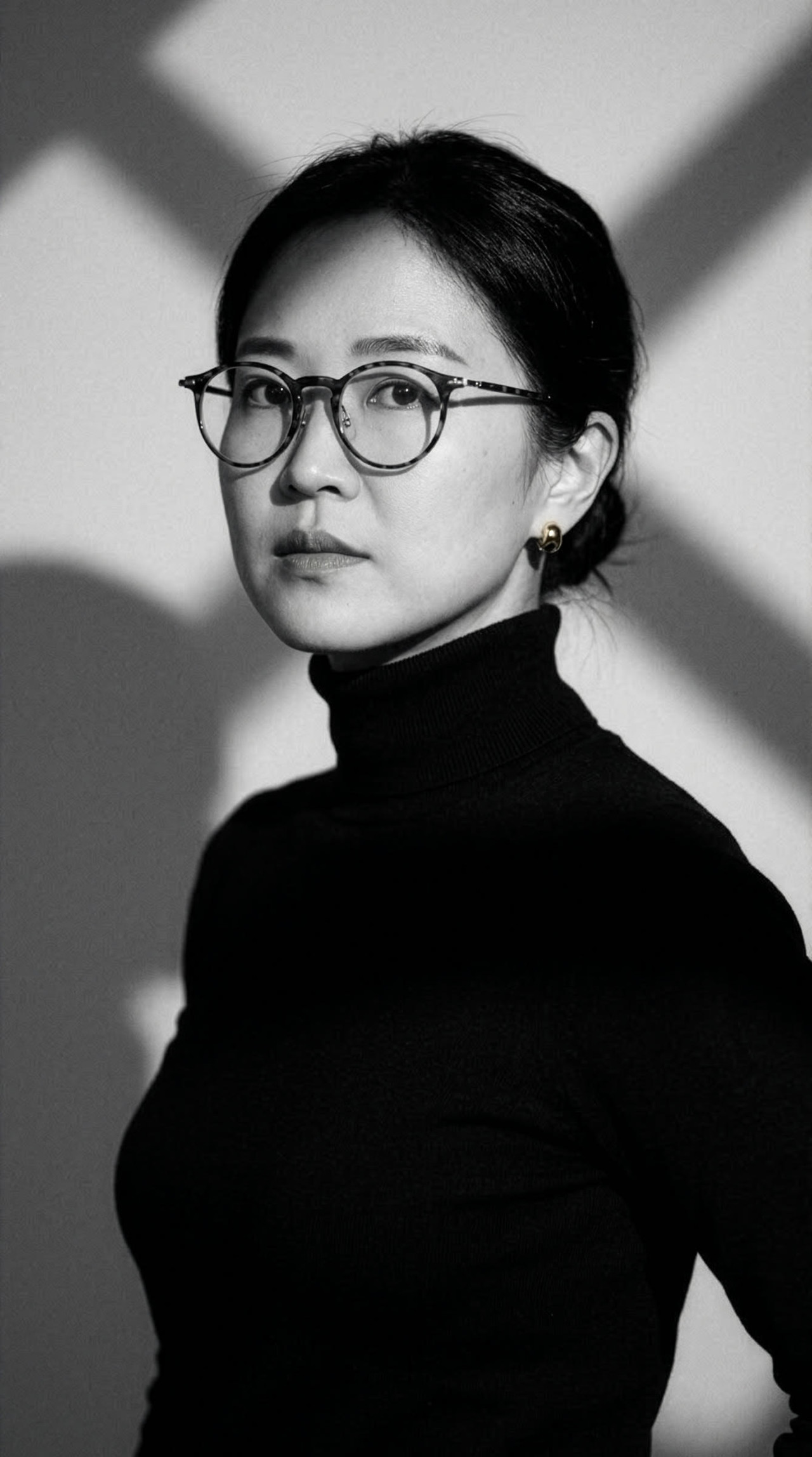
Portrait of Heather Kim
Heather Kim
Heather Kim’s work examines the relationship between architectural structure and organic form, focusing on the ambiguous zones where seemingly opposing systems coexist. Kim received a BFA in Oriental Painting from Seoul National University and completed graduate coursework in art criticism at the university’s Graduate School.
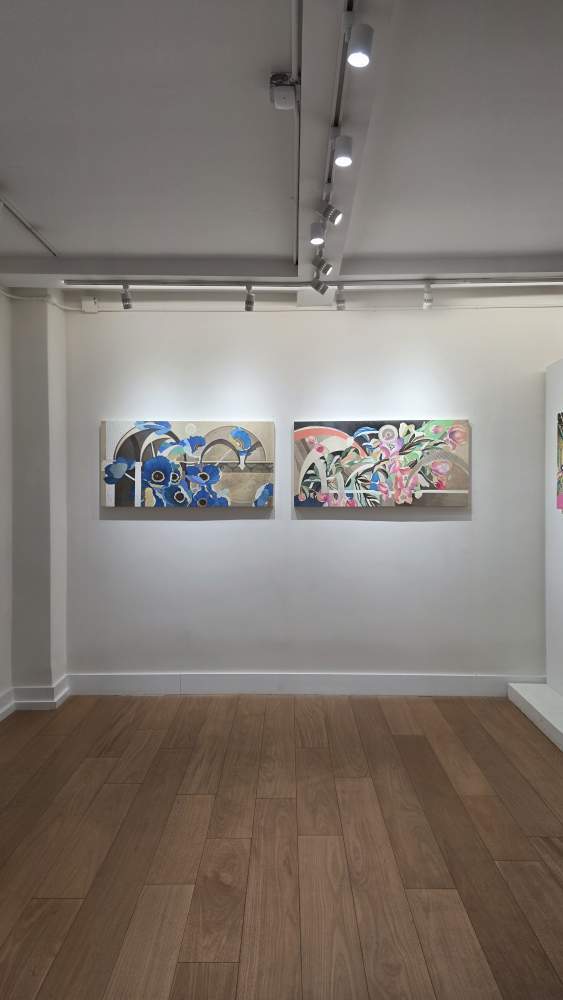
Working primarily with hanji, traditional Korean paper, Kim builds surfaces through repeated lines, mineral pigments, and layered brushwork. Architectural elements—arches, corridors, windows, and geometric frameworks—establish systems of order, while flowers, vines, and other organic forms move through and beyond those structures. As pigment and repeated marks accumulate within the fibers of the paper, the surface gains depth and subtle movement.
Kim’s paintings consider boundaries not as fixed divisions but as sites of coexistence—between nature and structure, stillness and becoming, the constructed and the organic. What appears separate gradually reveals itself as interconnected.
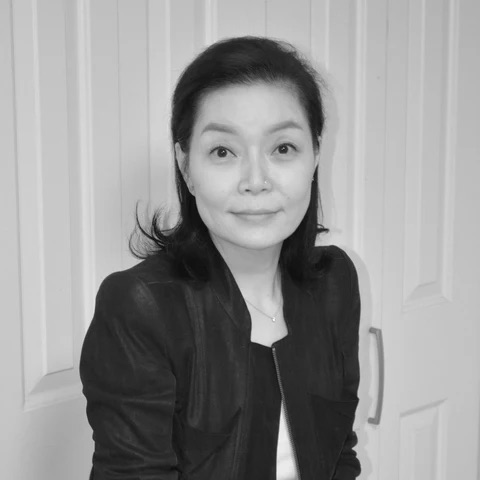
Portrait of Kimi Kim Wittling
Kimi Kim Wittling
Kimi Kim Wittling (b. 1973) is a Korean-born contemporary ceramic artist based in New York whose practice moves across ceramics, sculpture, design, and mixed media. After working in a wide range of materials including textile, woodcraft, printmaking, lacquer, and graphic design, she studied ceramics at Central Saint Martins in London and gradually established clay as the central language of her work. This multidisciplinary background gives her ceramics a distinctly contemporary character, positioned between craft, sculpture, design, and conceptual art.
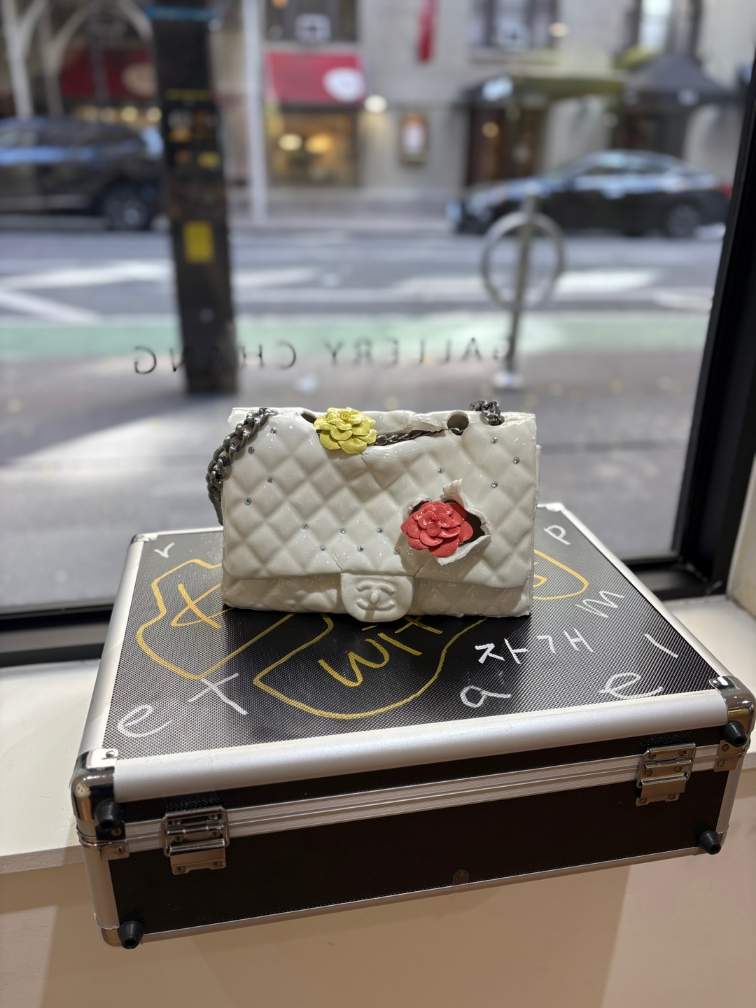
Wittling’s work often begins with familiar forms—luxury handbags, LEGO blocks, trees, flowers, leaves, and organic structures—and transforms them through clay and paper clay into objects that are playful yet psychologically layered. In her CHANEL and LEGO series, recognizable symbols of desire, consumption, childhood, and aspiration become fragile ceramic forms, while her Tree Wave works turn natural structures and memories of underwater landscapes into intricate sculptural compositions. Across these bodies of work, fragility becomes an essential metaphor for desire, relationships, memory, and care.
Wittling is significant for expanding contemporary ceramics beyond functionality and traditional craft into a medium for examining how objects acquire emotional and cultural meaning. By combining the material vulnerability of clay with imagery drawn from luxury culture, childhood, and nature, she creates a visual language that is accessible at first glance yet conceptually layered. Her practice demonstrates how ceramics can operate simultaneously as sculpture, cultural commentary, and personal narrative—bridging craft traditions with the language of contemporary art.
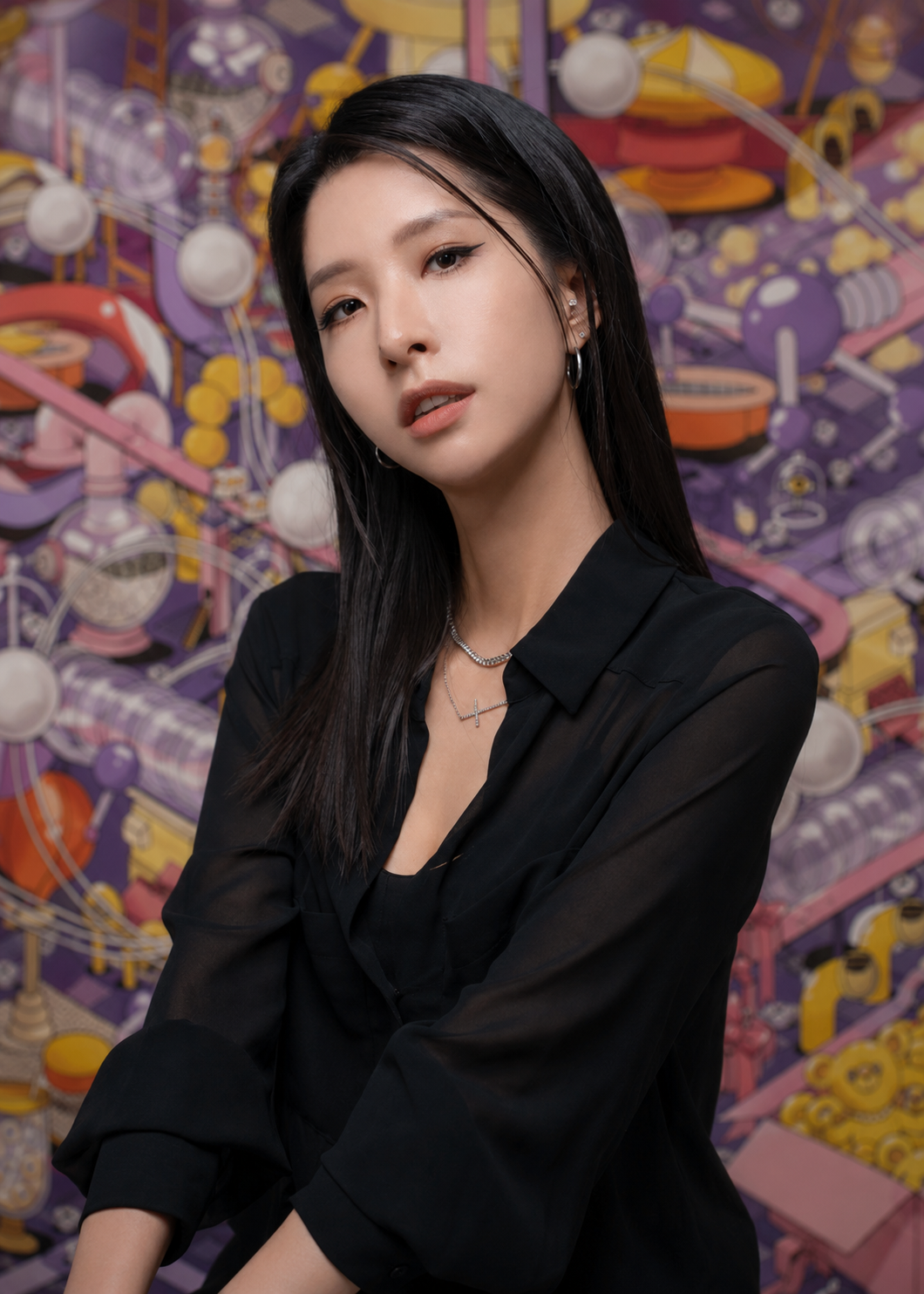
Portrait of Kim Mine
Kim Mine
Kim Mine (b. 1990) is a Korean contemporary artist best known for creating NOBODY, a yellow teddy-bear-like figure through which she explores identity, everyday life, and the shared emotional experiences of contemporary society. NOBODY has no fixed age, gender, nationality, profession, or social status. By removing these identifying characteristics, Kim creates an anonymous figure onto which viewers can project their own memories, emotions, and experiences—turning “nobody” into a figure that can potentially represent everybody.
Working across painting, sculpture, installation, and digital media, Kim constructs narratives from small and often overlooked moments of daily life. NOBODY appears in scenes of work, leisure, desire, loneliness, celebration, and ordinary routine, transforming familiar experiences into reflections on how contemporary individuals construct identity and meaning. Beneath the playful visual language lies a persistent questioning of human behavior, free will, aspiration, and the contradictions of wanting to be unique while simultaneously belonging to a larger collective.
Kim Mine is significant for using the accessible language of character-based art as a vehicle for broader philosophical questions about contemporary existence. Her central idea “the meaning of the meaningless”—elevates seemingly insignificant moments into narratives of memory, vulnerability, and connection. Through NOBODY, Kim transforms anonymity into universality: the character is neither a specific individual nor simply a fictional mascot, but an open vessel through which viewers can encounter fragments of themselves. In her world, NOBODY ultimately becomes EVERYBODY.
Portrait of Kim JongHyuk
Kim JongHyuk
Kim JongHyuk (aka Rokkan Kim, b. 1991) is a Korean contemporary artist working across painting, digital collage, media art, and installation. Drawing heavily from the social and visual culture of the 1960s and 1970s, Kim combines historical imagery, architecture, cinema, fashion, and personal memory to construct surreal environments in which past and present coexist. Rather than treating history as fixed, he approaches it as something continuously reconstructed through individual experience and contemporary perception.
A central concern in Kim’s practice is duality—beauty and fear, progress and destruction, isolation and aspiration. In his Space Oddity series, the heroic image of the astronaut is contrasted with solitude and the psychological vastness of space, while Sea the Wall examines the complex relationship between the ocean, architecture, and human intervention. More recent paintings extend these concerns through architectural structures, concrete, layered surfaces, and fields of color, allowing physical material and digital imagery to exist within the same visual language.
Kim JongHyuk is significant for transforming the visual archive of modern history into an open-ended contemporary narrative. His work does not present a single interpretation of an event or image; instead, it reveals how the same history can contain opposing meanings depending on who is looking at it. By moving fluidly between digital media, painting, architecture, and installation, Kim creates a practice in which cultural memory is continually dismantled and reconstructed—asking viewers to reconsider the boundaries between past and present, reality and fiction, nature and the built environment.